- Landscape Design, Installation & Maintenance · The Woodlands, TX 77380 · 77381 · 77382
The Woodlands:
Naturally Designed
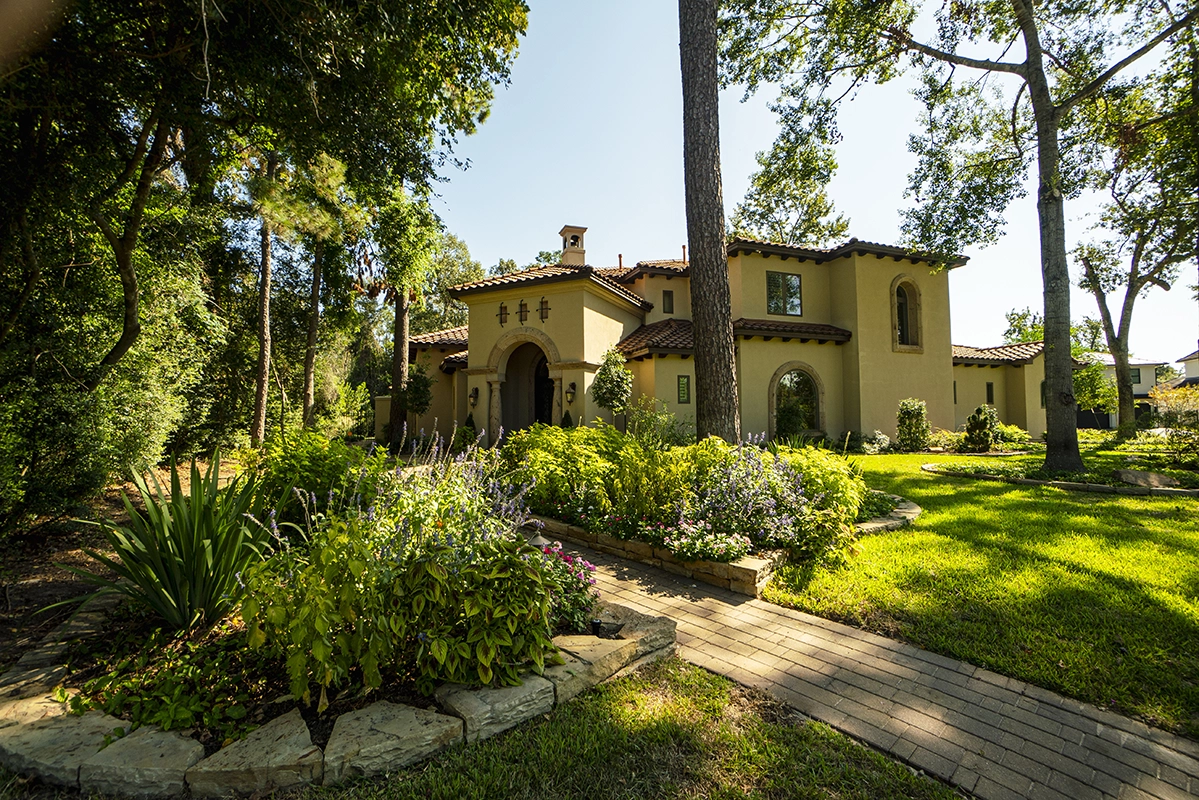
The Woodlands wasn't built by clearing the forest and starting over — it was designed to preserve the Piney Woods and build community within it. That founding principle shapes everything about how landscape design works here: Township covenants that protect natural character, native understory that defines the aesthetic, and a visual standard set by 25,000 acres of intentional planning. Hogue designs, installs, and maintains landscapes for Woodlands homes that work with that framework — not against it.
What Makes Landscaping in The Woodlands Fundamentally Different
The Woodlands opened on October 19, 1974 — founded by George P. Mitchell on 25,000 acres of loblolly pine forest 28 miles north of Houston. Mitchell’s non-negotiable objective from the beginning was preservation: not just the trees along the main roads, but the native understory throughout the community. He hired landscape architect Ian McHarg — one of the most influential ecological designers of the 20th century — to lead the planning. McHarg’s team of geologists, hydrologists, and designers analyzed the site’s hydrology, soils, vegetation, and wildlife before a single street was laid out. The curvilinear roads that wind through the nine villages follow natural creek lines. The natural drainage system McHarg designed proved more cost-effective than conventional curb-and-gutter systems — and is still functioning today.
The result is a community unlike any other in the Houston area: 1,900 acres of nature preserve, 220 miles of connected hike and bike trails, 151 parks, and a residential environment where the forest isn’t a backdrop — it’s the defining feature. Every village was designed to feel embedded in the woods rather than cleared from them. That design philosophy is enforced through The Woodlands Township’s covenants and architectural standards, which govern land use, property maintenance, tree removal, and landscape modifications throughout the community.
For landscape design, this means the starting point is always the existing natural context — the loblolly pines, the creek corridors, the native understory of yaupon, wax myrtle, and beautyberry. A landscape that fights the Piney Woods context reads as wrong in The Woodlands, regardless of its technical quality. A landscape designed to extend and complement that natural framework reads as belonging — and that distinction requires both ecological knowledge and genuine design intent.
The Woodlands Projects
- Residential Landscape
Landscape Services for
The Woodlands Homes
The Woodlands Township Covenants & What They Mean for Landscape Projects
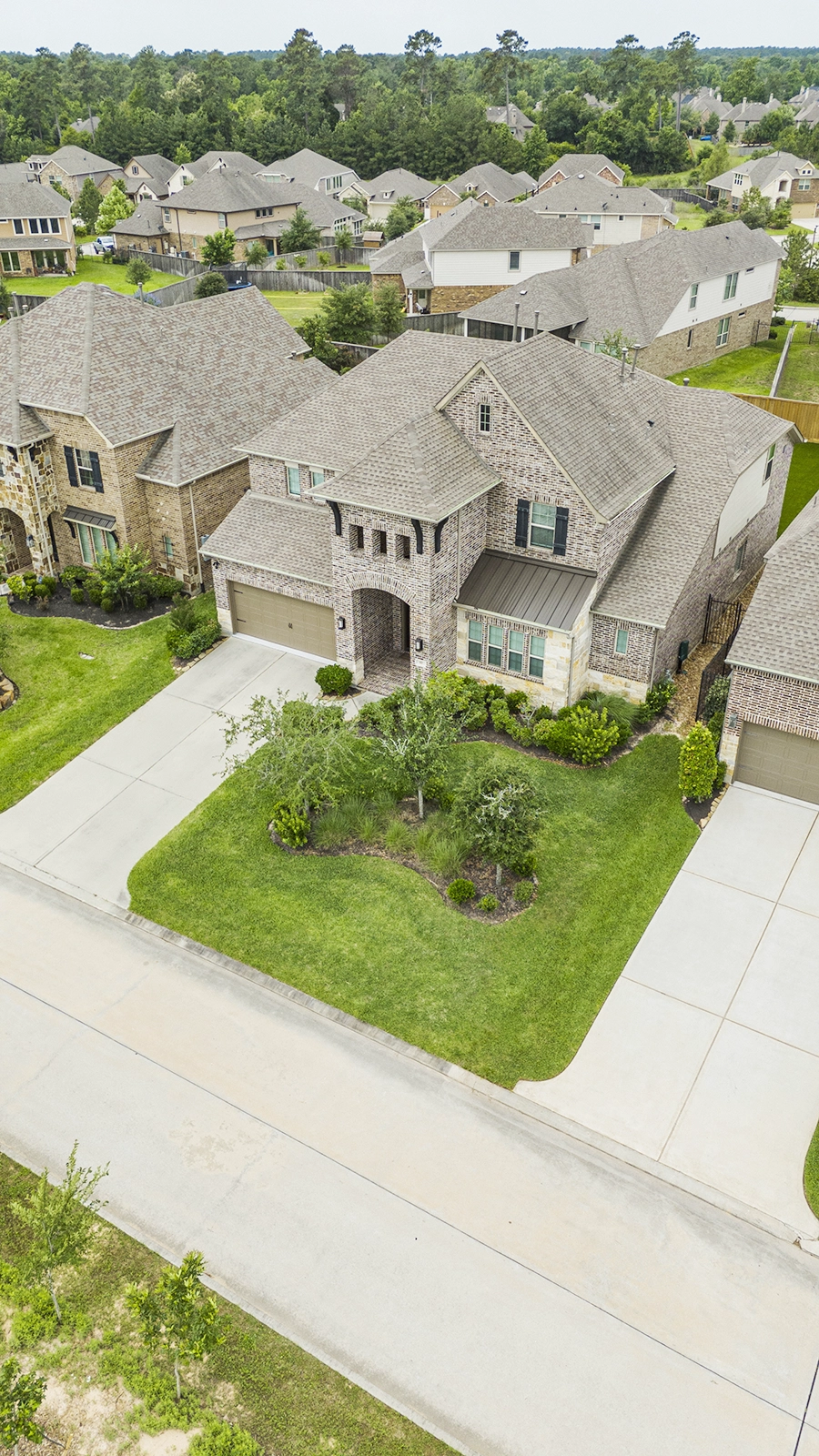
The Woodlands Township functions similarly to a city government — providing municipal services, enforcing community standards, and maintaining the quality of the built and natural environment that makes The Woodlands one of the most consistently desirable communities in the United States. Residential properties are subject to covenants and restrictions that govern land use, architectural standards, property maintenance, tree removal, and landscape modifications.
In practice, this means landscape projects in The Woodlands that involve significant changes — including tree removal, grading, new hardscape structures, or modifications to drainage — may require Township review and approval before work begins. Each village's covenants have specific provisions, and what's permitted in one village may require additional review in another.
Hogue navigates the Township covenant process as a standard part of every Woodlands project scope. We identify which covenant provisions apply to a given project, coordinate the review process, and ensure the completed installation meets Township standards — without placing that compliance burden on the homeowner to figure out independently.
Forest-Integrated Landscape Design
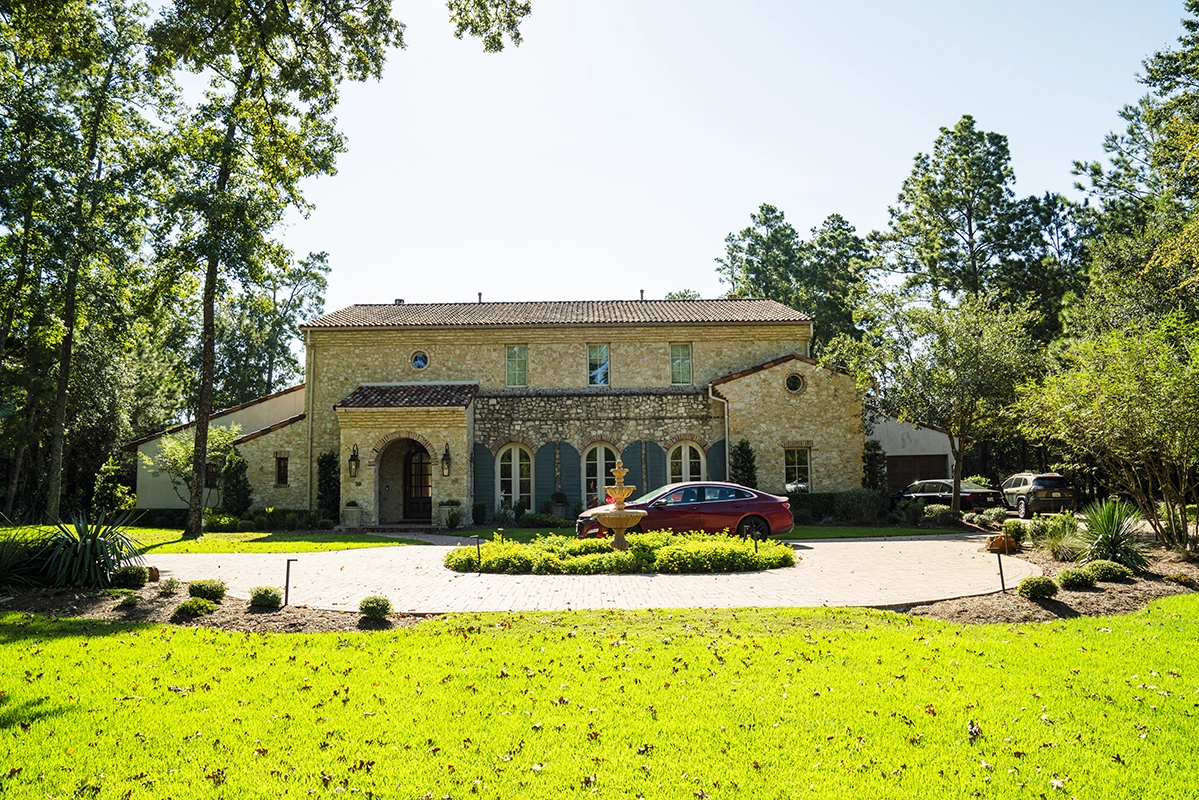
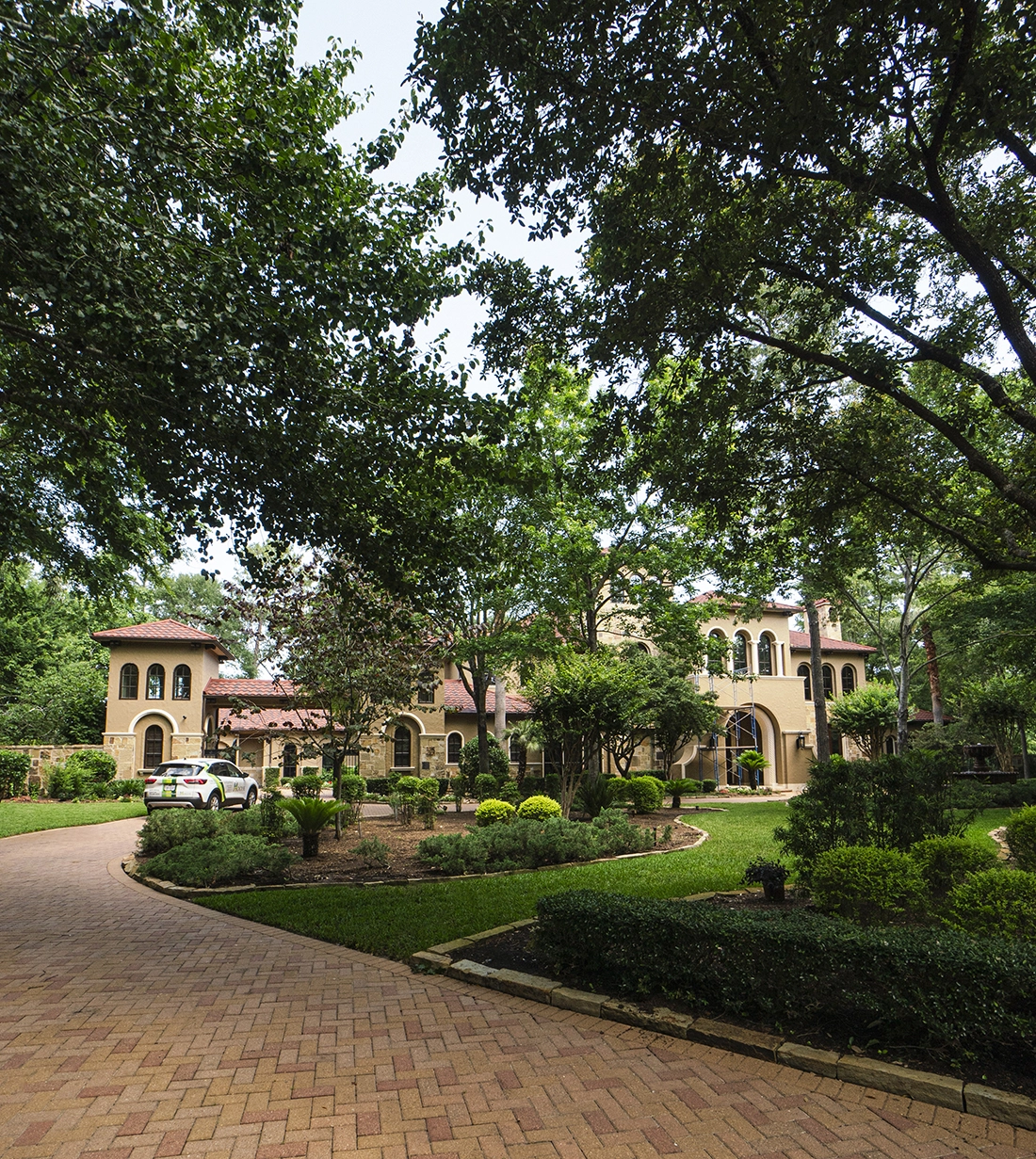
Landscape design in The Woodlands starts with what’s already there — the loblolly pine canopy, the native understory, the creek corridors and natural drainage patterns that Ian McHarg’s team mapped before the first road was laid. We design Woodlands landscapes that extend and complement that natural framework: native and adaptive plant palettes that belong to the Piney Woods context, planting compositions that transition naturally from lawn to understory to canopy, and hardscape materials that read as grounded in the landscape rather than dropped onto it.
Township Covenant Compliance
The Woodlands Township enforces covenants and architectural standards that govern landscape modifications, tree removal, property maintenance, and exterior changes throughout the community. Each village has its own specific covenant provisions, and projects involving significant landscape changes — including tree removal, grading, and new hardscape — may require Township review. Hogue coordinates covenant compliance for every Woodlands project as a standard part of our scope, navigating the Township’s review process without placing that burden on the homeowner.
Loblolly Pine & Native Tree Preservation
Outdoor Living & Pool Surround Design
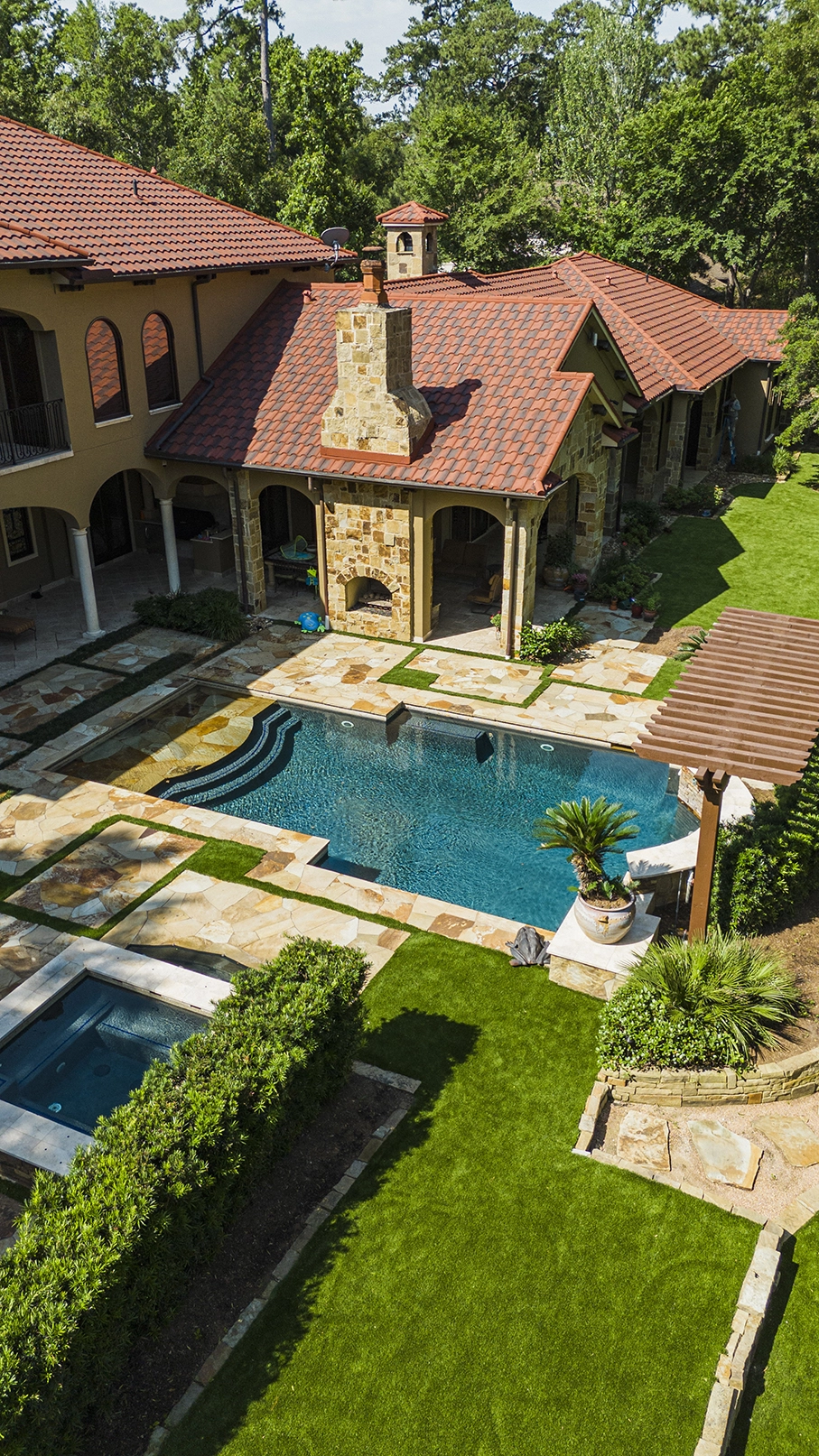
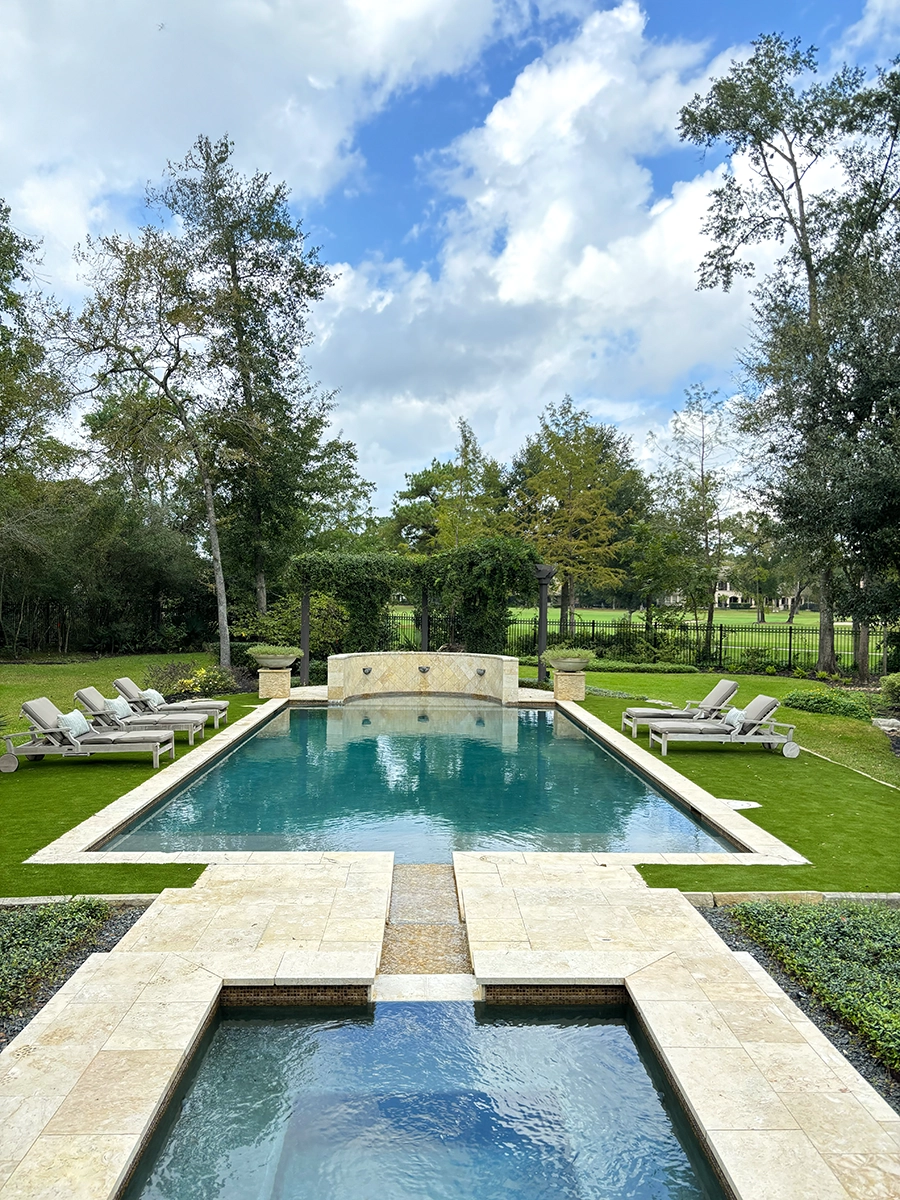
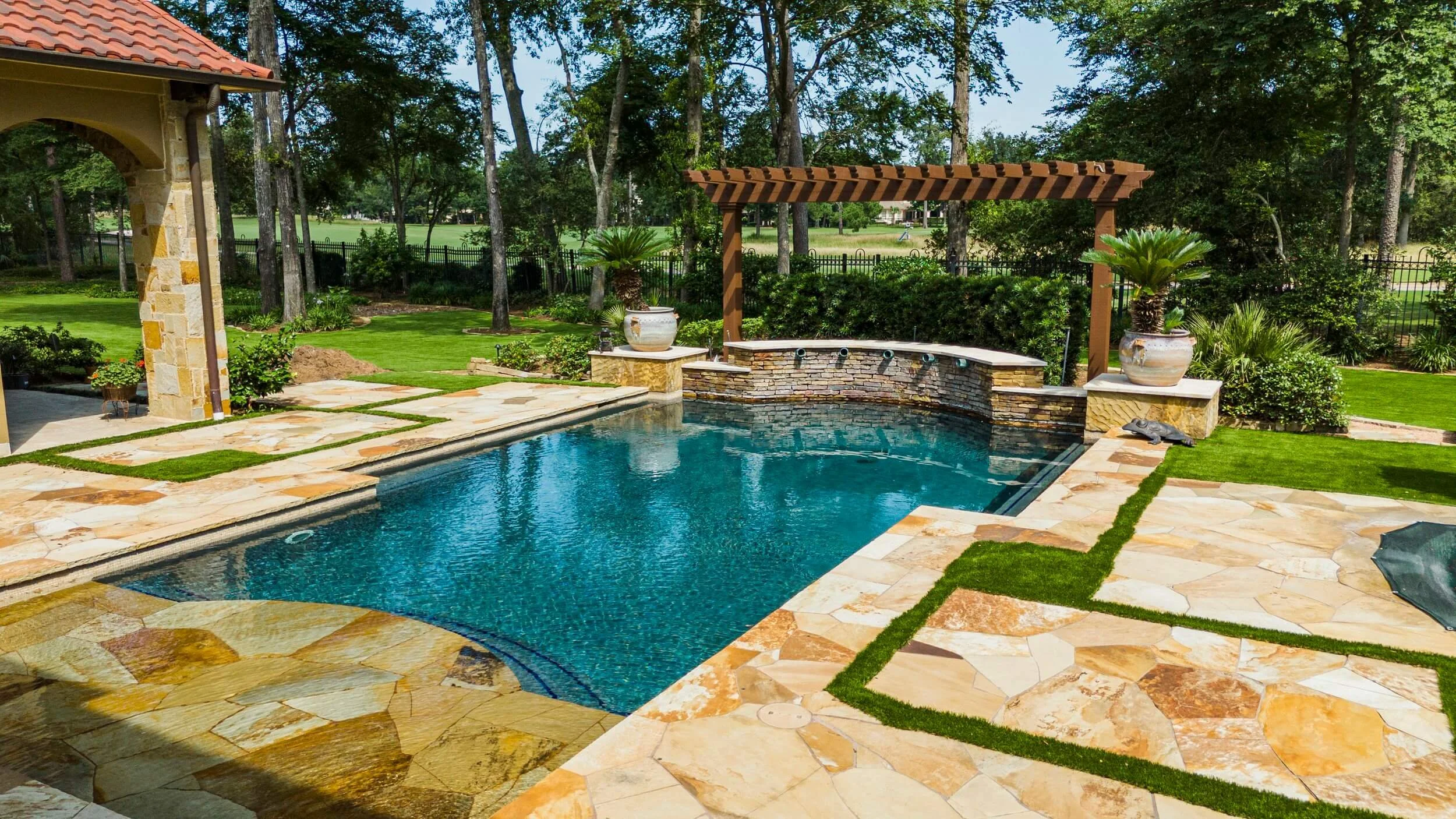
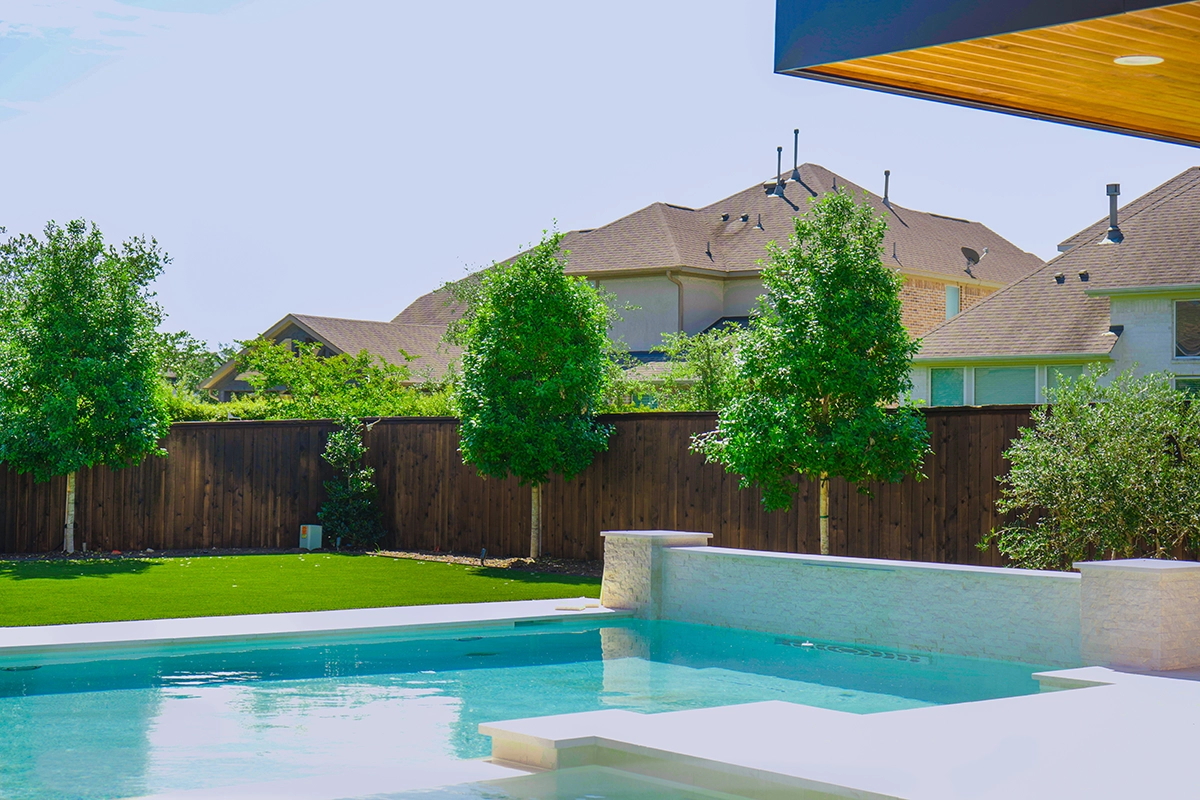
The Woodlands’ forested lots and Houston-area climate create excellent conditions for outdoor living programs that feel genuinely removed from the surrounding metropolitan area. Pools, spas, covered pergolas, outdoor kitchens, and rear garden spaces designed to feel embedded in the forest setting — rather than imposing a suburban backyard aesthetic on a woodland lot — are what Woodlands outdoor living should aspire to. We design and build these spaces as extensions of the natural landscape, not interruptions of it.
Natural Drainage & Creek Corridor Management
Ian McHarg’s ecological design for The Woodlands used natural drainage — creeks, swales, and forest floor absorption — rather than conventional curb-and-gutter systems. That heritage is still embedded in the community’s hydrology, and residential lots in creek-adjacent areas of the nine villages require drainage approaches that work with the natural system rather than overwhelming it. We assess and engineer property-level drainage for every Woodlands project with that ecological context in mind — particularly for homes in flood-adjacent zones near Spring Creek and the community’s network of natural waterways.
Landscape Lighting for Forested Properties
The Woodlands' canopy at dusk is among the most dramatic natural settings for landscape lighting in the Houston area. We design lighting programs for Woodlands properties that enhance the forest character rather than overpowering it: uplighting on significant pine specimens, warm path lighting along forested approaches, architectural lighting on facades that remains legible against the tree canopy, and rear garden illumination that extends outdoor living time without creating the flat commercial brightness that reads as out of place in a wooded residential setting.
Native & Adaptive Planting Design
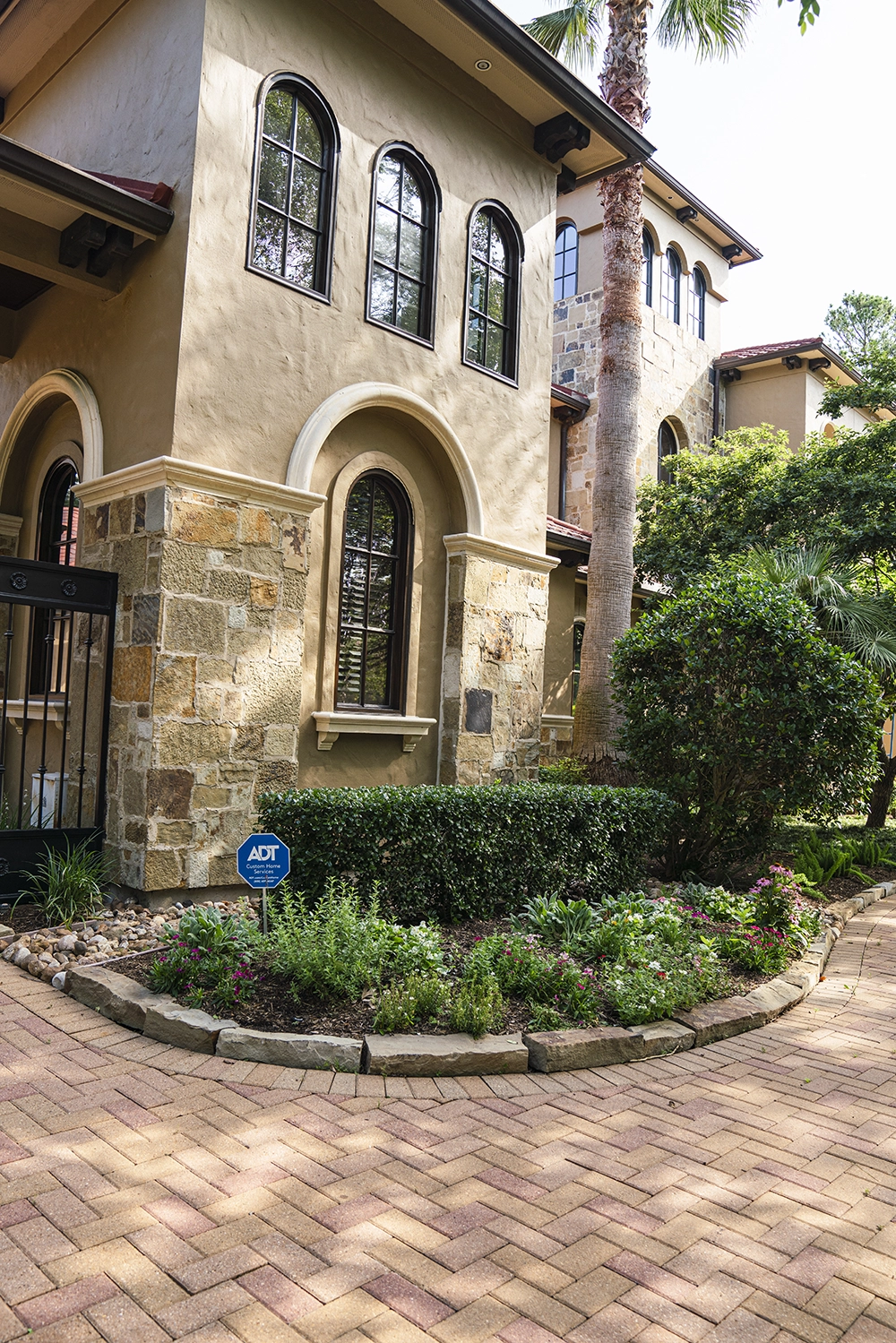
The Woodlands' Piney Woods context supports a rich palette of native and adaptive plants that perform well in the area's sandy loam soils, acidic conditions, and moderate shade — conditions that standard Houston plant palettes don't always account for. Yaupon holly, beautyberry, native azalea, wax myrtle, switchgrass, and native ferns all thrive in the understory conditions of The Woodlands and produce landscapes that feel genuinely at home in the forest rather than transplanted from a suburban nursery catalog.
Contracted Landscape Maintenance
The Woodlands Township's covenant enforcement and community standards make landscape maintenance quality visible — and the bar is set by one of the most thoughtfully maintained master-planned communities in the United States. Hogue provides contracted maintenance for Woodlands homes: defined visit schedules, seasonal programs calibrated to the Piney Woods climate, irrigation management, native understory care, and a dedicated account contact who maintains the property to the Township's standards. The landscape holds its quality week after week, without the homeowner managing it.
Serving All Nine Villages of The Woodlands
The Woodlands is organized into nine villages — each with its own character, covenant provisions, and landscape context. Hogue provides landscape design, installation, and maintenance throughout all nine.
Grogan’s Mill (1974) — The original village, opened with The Woodlands’ founding. Mature canopy and established understory define properties that have had 50 years to develop their natural character. Landscape renovation here requires the most care around existing root systems and natural drainage patterns.
Panther Creek (1976) — The community’s second village, known for its golf course corridors and access to The Woodlands Mall area. A mix of original and renovated homes with mature pine canopy throughout.
Cochran’s Crossing (1984) — Characterized by its creek corridors and heavily wooded lots, Cochran’s Crossing produces some of The Woodlands’ most naturally integrated residential landscapes.
Indian Springs (1984) — Dense forest lots and proximity to natural waterways create a strong Piney Woods context throughout the village.
Alden Bridge (1994) — One of The Woodlands’ largest villages, with a diverse mix of housing types and lot sizes. Strong community amenity access and active civic life.
College Park (1995) — Family-oriented village with proximity to Woodlands schools and community facilities. An active homeowner base with high expectations for property maintenance standards.
Sterling Ridge (1999) — Upscale properties with larger lots, some of The Woodlands’ most premium residential real estate, and landscape programs that reflect that investment level.
Carlton Woods (2000) — The Woodlands’ most exclusive enclave, featuring Jack Nicklaus-designed golf courses and estate-scale properties. Landscape programs here parallel the level of investment and design quality found in Houston’s most prestigious addresses.
Creekside Park (2007) — The newest village, featuring a more contemporary architectural range and direct access to the Creekside Park Village Center and Spring Creek Greenway trail system.
Frequently Asked Questions: Landscaping in The Woodlands, TX
Who does landscaping in The Woodlands, TX?
Hogue Landscape Services provides landscape design, installation, and maintenance for residential properties throughout all nine villages of The Woodlands, TX. Hogue brings licensed landscape architects experienced in The Woodlands’ Piney Woods forest context, Township covenant requirements, native and adaptive plant palettes specific to the community’s ecology, and the full range of village-specific conditions from Grogan’s Mill to Creekside Park.
What are The Woodlands Township landscape covenants?
Who designed The Woodlands, TX?
The Woodlands was founded in 1974 by George P. Mitchell, who hired landscape architect Ian McHarg and his firm Wallace, McHarg, Roberts and Todd to lead the ecological planning. McHarg’s team — which included geologists, hydrologists, and design professionals — conducted extensive analysis of the site’s hydrology, soils, vegetation, and wildlife before the community’s curvilinear streets were laid out. McHarg’s ecological design philosophy, which emphasized working with natural systems rather than overriding them, is still embedded in The Woodlands’ drainage infrastructure, green corridors, and landscape character today.
How much does landscaping cost in The Woodlands, TX?
Landscape design and installation for Woodlands properties typically ranges from $25,000–$90,000+ for focused backyard outdoor living or front elevation work, to $80,000–$350,000+ for comprehensive full-property programs covering planting, drainage, hardscape, pool surrounds, lighting, and native understory restoration. Carlton Woods and Sterling Ridge properties often support programs at the upper end of that range, reflecting the estate-scale investment levels in those villages. Contracted maintenance typically ranges from $500–$2,500+ per month depending on lot size and program scope. Hogue provides detailed proposals following a site consultation at no obligation.
What plants grow best in The Woodlands' Piney Woods environment?
The Woodlands’ sandy loam soils, acidic conditions from pine needle accumulation, and dappled shade under established canopy favor native and adaptive plants specific to the East Texas Piney Woods ecoregion. High performers include yaupon holly, wax myrtle, beautyberry, native azaleas, switchgrass, muhly grass, Louisiana iris, native ferns, and shade-tolerant ground covers like monkey grass and native gingers. Standard Houston plant palettes — designed for clay soil and full sun — often underperform in the Woodlands’ specific conditions. Hogue specifies Woodlands plant palettes based on the actual soil, light, and moisture conditions of each property.
What is Carlton Woods and how does landscaping there differ from other Woodlands villages?
Carlton Woods is The Woodlands' most exclusive residential enclave — featuring two Jack Nicklaus-designed golf courses, gated access, and estate-scale properties that represent some of the highest-value residential real estate in the greater Houston area. Landscape programs in Carlton Woods are typically more comprehensive and investment-intensive than in other Woodlands villages, paralleling the level of design and construction quality found in Houston's most prestigious addresses such as River Oaks and the Memorial Villages. Hogue designs and maintains Carlton Woods landscapes to that standard — architecture-led, ecologically grounded, and maintained to a level appropriate for a gated estate community.
Does The Woodlands have flooding or drainage issues?
The Woodlands' original ecological design by Ian McHarg used natural drainage systems — creek corridors, forest floor absorption, and natural swales — rather than conventional curb-and-gutter infrastructure. This system has generally performed well, but properties in creek-adjacent areas — particularly near Spring Creek along the community's northern boundary and the network of natural waterways running through the villages — carry real flood risk, as demonstrated during Hurricane Harvey in 2017. Property-level drainage engineering remains important for Woodlands homes in lower-lying or creek-adjacent locations. Hogue assesses drainage as a standard element of every Woodlands site assessment.
What are the nine villages of The Woodlands?
The nine villages of The Woodlands are Grogan's Mill (1974), Panther Creek (1976), Cochran's Crossing (1984), Indian Springs (1984), Alden Bridge (1994), College Park (1995), Sterling Ridge (1999), Carlton Woods (2000), and Creekside Park (2007). Each village was designed with its own neighborhood centers, schools, parks, and greenway access, and has its own specific covenant provisions governing property use and maintenance. Hogue provides landscape design, installation, and maintenance in all nine villages.
The Forest Came First. Your Landscape Should Too.
Schedule a Woodlands Site Consultation
The Woodlands is one of the most successful master-planned communities in the United States precisely because its founder refused to clear the forest and start over. That decision — to work with the land rather than against it — is still visible in every creek corridor, every native understory, every mile of trails that wind through the pines.
Hogue designs, installs, and maintains landscapes for Woodlands homes that carry that principle forward — ecologically grounded, Township-compliant, and designed to feel like they belong to the forest community they’re part of.
The first step is a site consultation — we walk the property, understand the existing natural conditions, and develop a clear picture of what’s possible. No obligation.
Our Award-Winning Projects
-
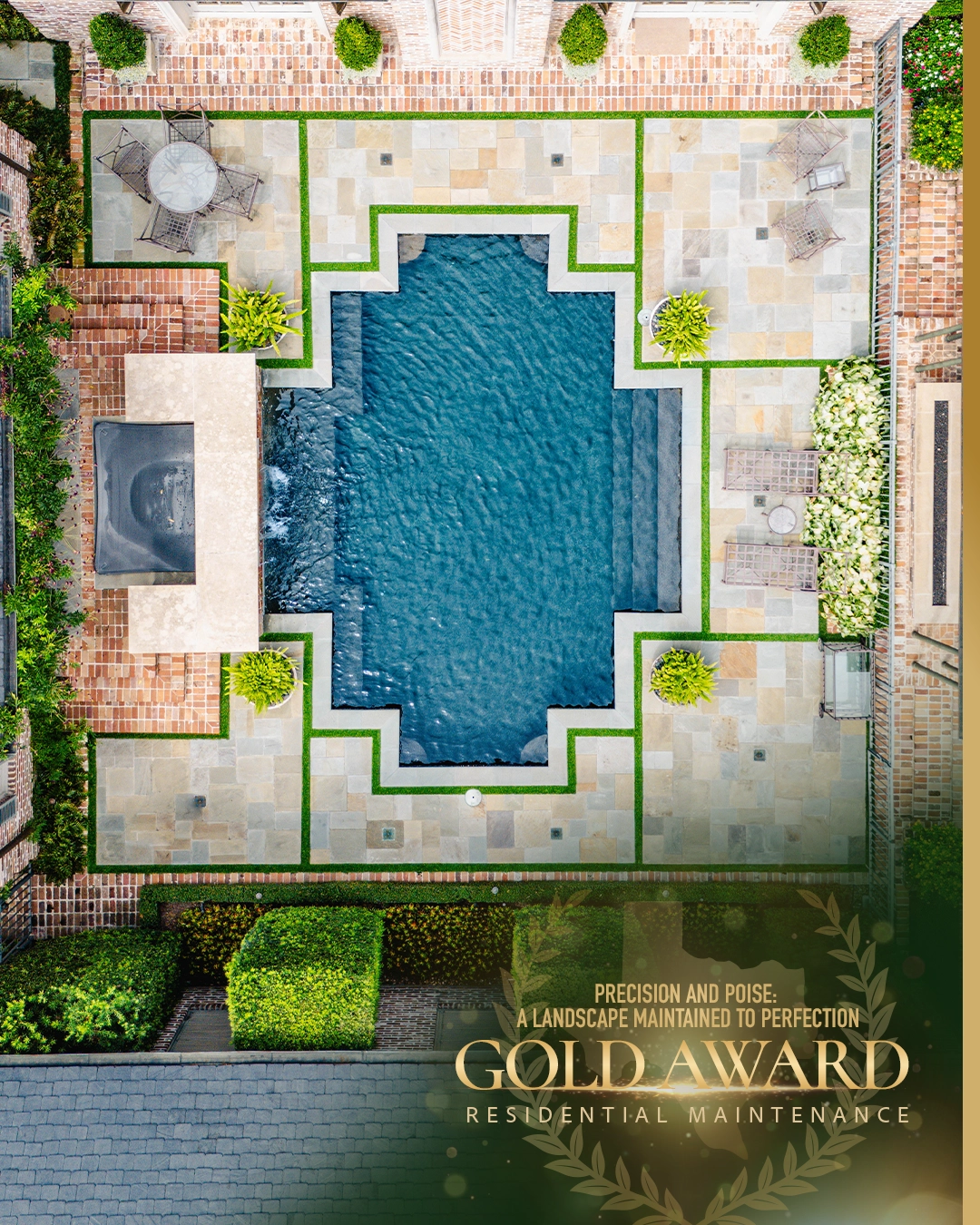
2026Residential Maintenance A Landscape Maintained to Perfection
-
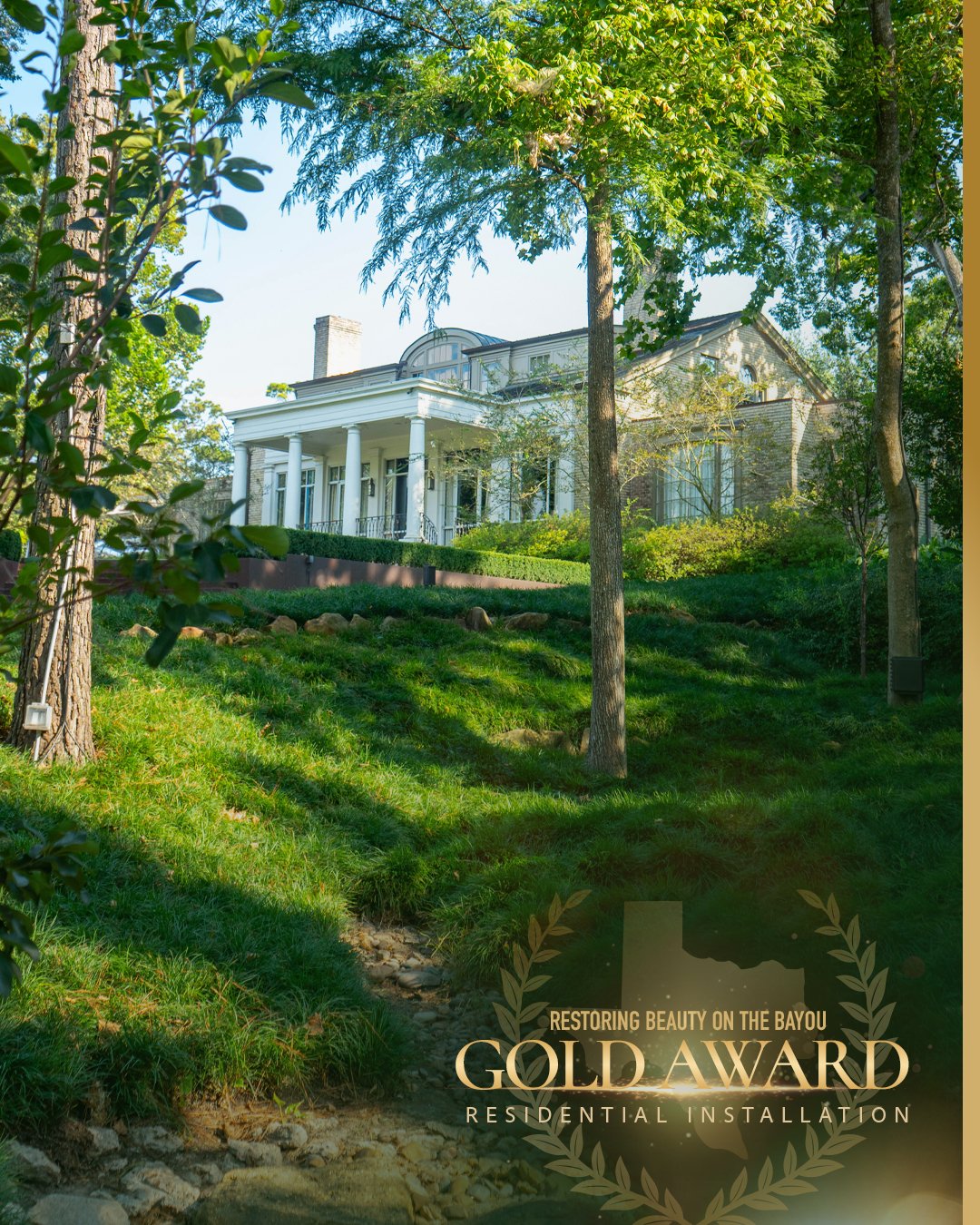
2026Residential Installation Restoring Beauty on the Bayou
-
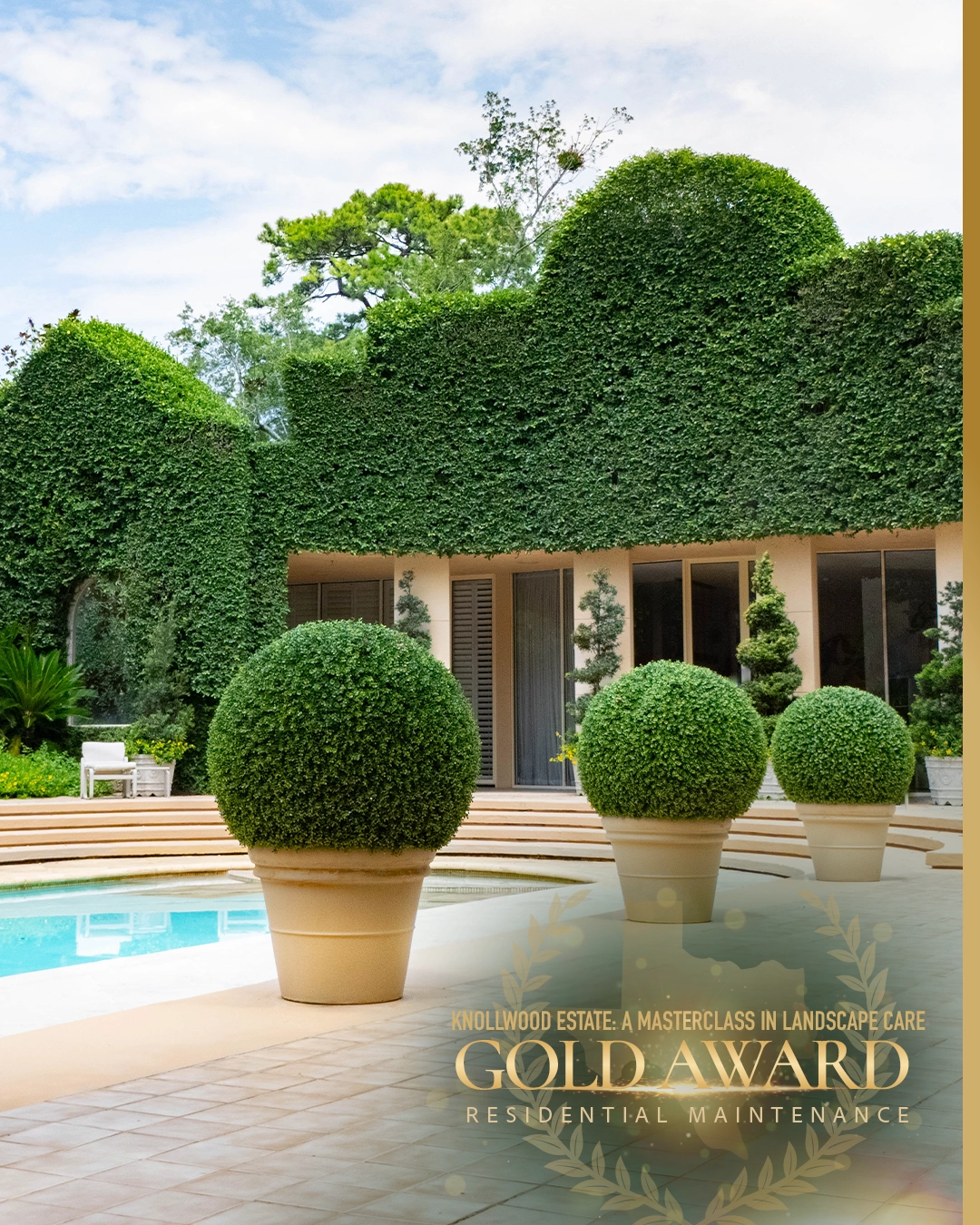
2026Residential Maintenance A Knollwood Estate
-
2026Design & Special Projects Rienzi, Museum of Fine Arts
-
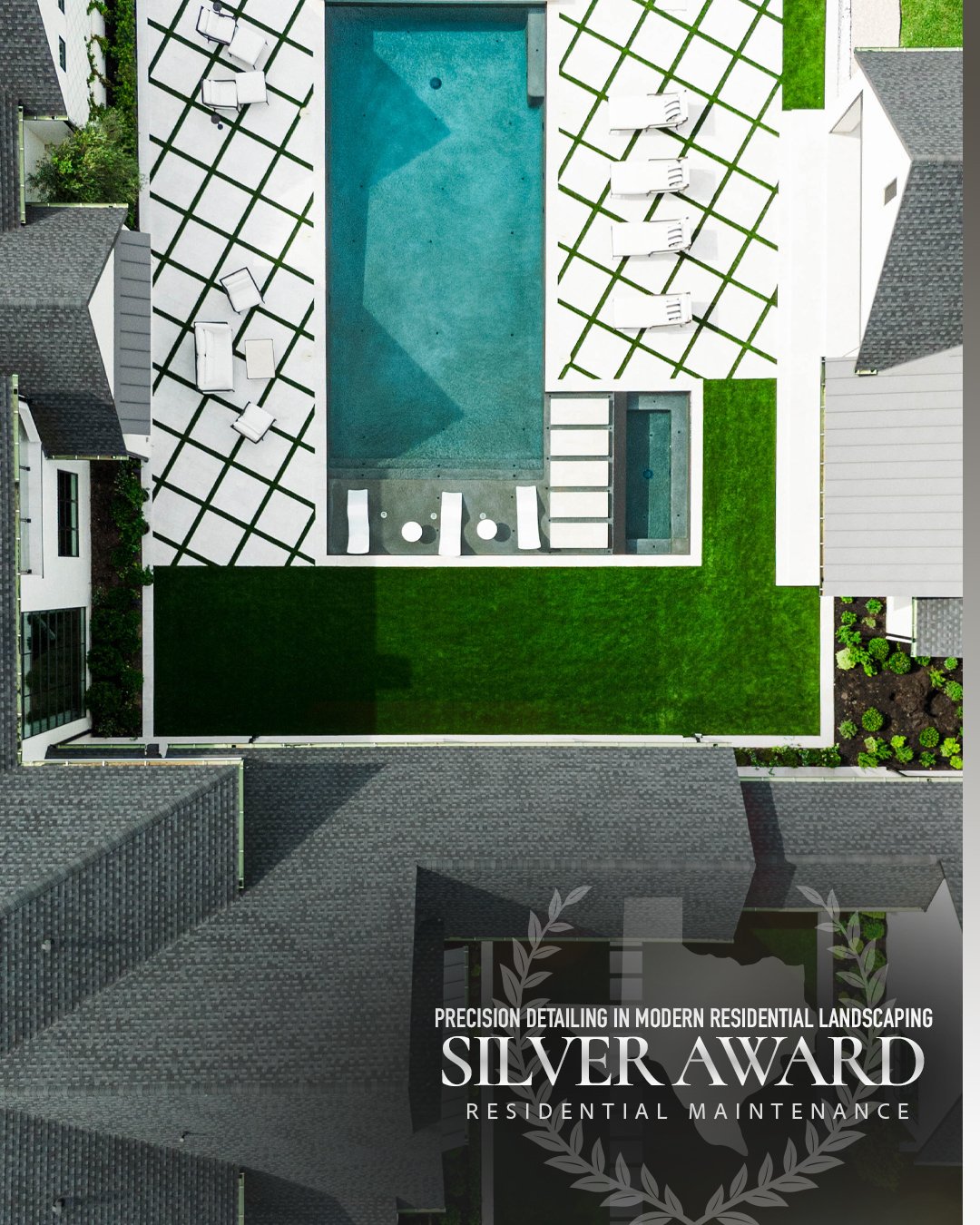
2026Residential Maintenance Precision Detailing