Hogue Landscape Services

When Hermann Park Is Your Backyard, Your Own Landscape Has to Earn Its Place.

The Museum District is one of the few places in Houston where the public landscape surrounding your home was designed by nationally recognized landscape architects and maintained to a museum standard. Living next to Hermann Park, the MFAH, and Rice University raises the bar for private outdoor spaces in a way most Houston neighborhoods never experience. Hogue designs and maintains landscapes for Museum District homes that meet that standard — architecture-specific, drainage-engineered for Brays Bayou proximity, and designed with the same level of intent the neighborhood's public spaces set.
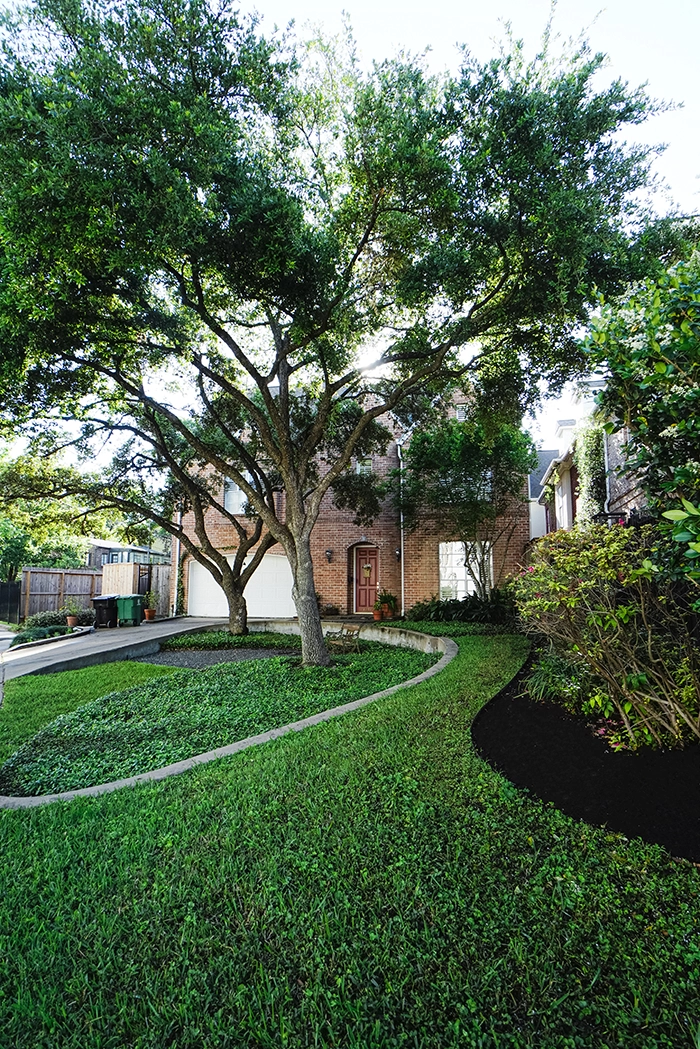
What Living in the Museum District Demands of a Private Landscape

Houston Living

The Museum District’s landscape heritage begins in 1914, when George Hermann donated the land that would become Hermann Park to the City of Houston. By 1916, landscape architect George Kessler — one of the most respected planners of the City Beautiful movement — had completed a master plan for the park incorporating diagonal boulevards flanked by allées of live oaks, a grand reflecting basin, an outdoor theater, and a golf course. When Kessler died in 1923, Hare & Hare took over as managing landscape architects — the same firm that would go on to design the master landscape plan for River Oaks. That continuity of design ambition is still visible today in Hermann Park’s 445 acres, Rice University’s 300-acre campus, and the tree-lined streets of Shadyside and Broadacres that compose the neighborhood’s finest residential blocks.

The Museum District’s residential landscape is defined by that public context. Shadyside — a private, deed-restricted enclave developed in the early 1900s adjacent to Hermann Park — contains some of Houston’s most significant historic residential architecture: Tudor, Colonial Revival, and Spanish Eclectic estates on generous lots that have maintained their character for over a century. Museum Park, Broadacres, and the surrounding residential fabric offer a mix of historic mansions, restored bungalows, and contemporary townhomes that have developed around the neighborhood’s cultural core over more than a hundred years of continuous habitation.

What this means for landscape design is that the visual standard set by the surrounding public spaces is unusually high — and the architectural range across the neighborhood is genuinely demanding. A Tudor estate on Shadyside Drive requires a completely different landscape response than a contemporary townhome on Calumet Street two blocks away. Getting it right requires designing to the specific property, not to a generic inner-loop template.

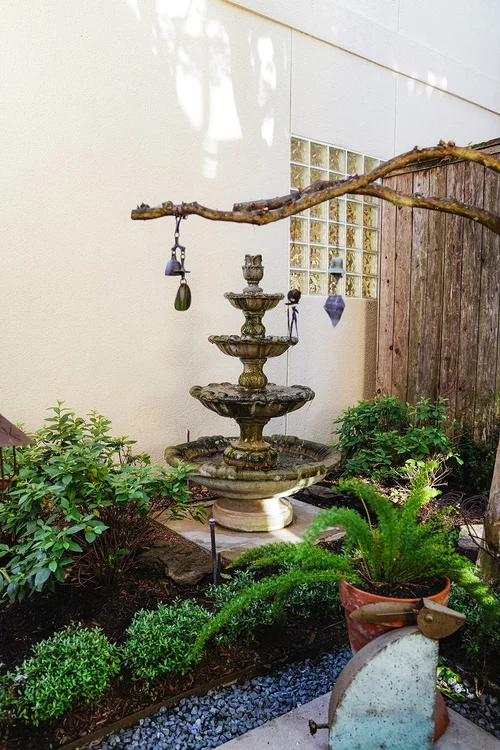
Hogue backyard outdoor living installation Museum District Houston TX 77005

Museum District Projects

our gallery

A selection of Hogue landscape design, installation, and maintenance work in Houston’s Museum District and surrounding inner-loop neighborhoods. Each project is designed to the specific architectural character of the property — from Shadyside estate grounds to contemporary townhome outdoor spaces.

Landscape Services for
Museum District Homes

Hermann Park — and What It Means to Live Next to It

Hermann Park draws six million visitors annually — making it one of the most used public green spaces in Texas. Its 445 acres contain the Houston Zoo, Miller Outdoor Theatre, the McGovern Centennial Gardens, the Japanese Garden, McGovern Lake, an 18-hole golf course, and miles of trails. The park's current landscape character is the product of more than a century of design investment: George Kessler's 1916 master plan, Hare & Hare's stewardship following Kessler's death, and a major revitalization completed in the 1990s by landscape architect Laurie Olin — whose firm has also worked on Bryant Park in New York and the Washington Monument grounds.

For Museum District homeowners, this means the outdoor standard of the immediate environment is set at a level most Houston neighborhoods never approach. The live oak allées of Hermann Park, the McGovern Centennial Gardens' formal landscape design, and Rice University's campus — itself a landmark of early 20th-century academic landscape planning — compose a public outdoor environment of genuine distinction.

A private landscape that doesn't hold its own against that context is visible in its shortcoming. One that does becomes part of what makes this one of Houston's most complete residential environments.
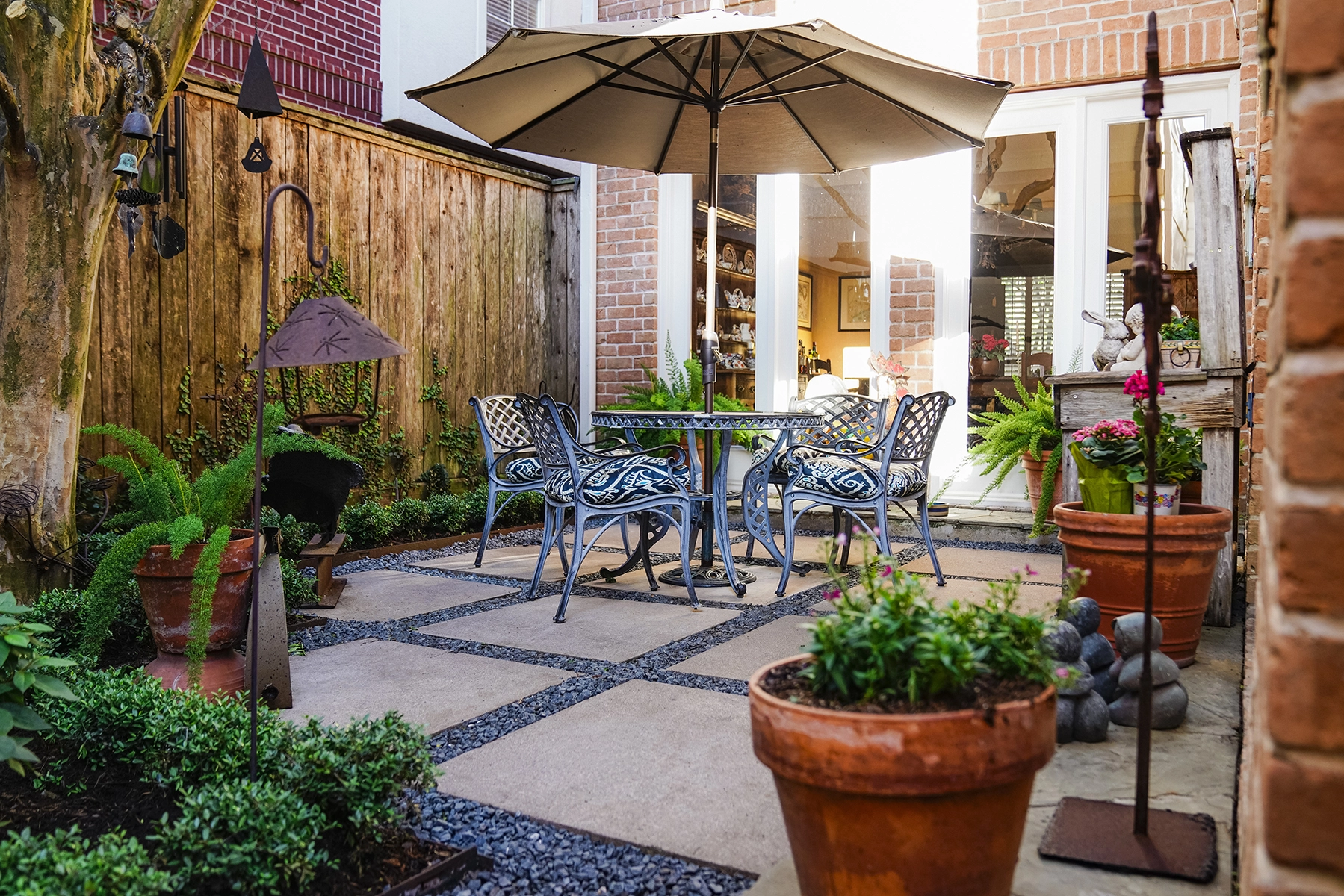
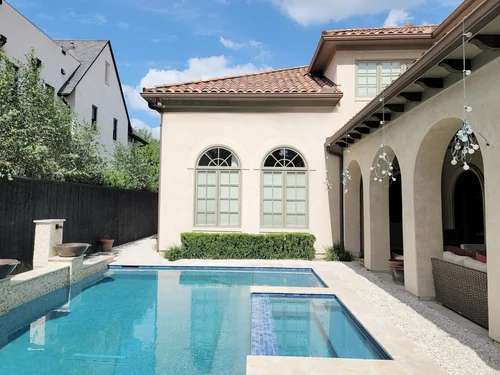
Hogue landscape renovation Shadyside Houston — estate grounds and landscape architecture design

The Museum District presents one of Houston’s most demanding architectural ranges — Tudor and Colonial Revival estates in Shadyside alongside Spanish Eclectic mansions, restored Craftsman bungalows, mid-century moderns, and contemporary infill townhomes, often on the same block. Each demands a different landscape response. We design to the specific home in front of us: studying the architecture’s period, proportions, and materials before specifying a plant, a paving material, or a fence detail. The result is a landscape that reads as belonging to its house — not one that could belong to any property in the zip code.

Shadyside is one of Houston’s most architecturally distinguished private residential enclaves — a deed-restricted community adjacent to Hermann Park whose historic estates have maintained their character for over a century. Landscape work in Shadyside requires an understanding of the deed restrictions governing exterior changes, the historic architectural styles that define the enclave’s character, and the visual standard set by properties that have been professionally maintained for generations. Hogue designs and maintains Shadyside landscapes with all three of those considerations built into the process from the first site visit.

Properties that back to or face Hermann Park occupy one of the most distinctive residential positions in Houston — a private home with a 445-acre, professionally maintained public park as an immediate neighbor. That adjacency creates both opportunity and expectation: the private landscape needs to read as a worthy complement to the public one, not a contrast to it. We design park-adjacent Museum District landscapes with that relationship explicitly considered — plant palettes that transition naturally from the property to the park context, lighting that reads as residential rather than competing with the park’s own illumination, and hardscape that respects the visual connection to the green space.

Brays Bayou runs along the southern boundary of Hermann Park and the Museum District, and portions of the surrounding residential area carry real flood risk — demonstrated during Hurricane Harvey in 2017 when properties near the bayou corridor experienced significant inundation. Museum District lots also tend to be smaller than those in River Oaks or Memorial, limiting surface drainage correction options. We engineer property-level drainage into every Museum District project: surface grading, French drain systems, and outfall design calibrated to each property’s FEMA floodplain designation and specific site conditions.

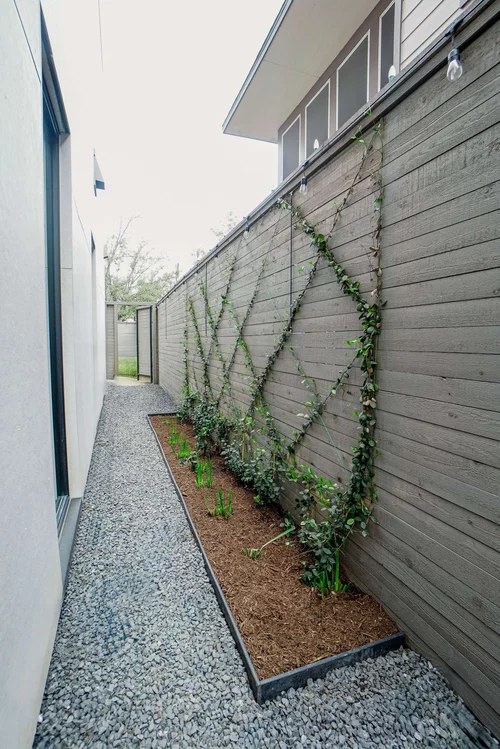
Museum District properties — particularly the bungalows, townhomes, and smaller historic homes that compose much of Museum Park and Broadacres — benefit from thoughtfully designed courtyard and rear garden spaces that maximize privacy and livability on urban lots. We design outdoor living programs scaled to the footprint available: patios, covered pergolas, privacy planting, and outdoor kitchen spaces positioned and planted to function as genuine private rooms despite the surrounding urban density of one of Houston’s most active cultural corridors.

The Museum District's historic architecture is among Houston's most compelling after dark — Tudor facades, Colonial Revival columns, and Spanish Eclectic detailing all respond exceptionally well to considered uplighting. We design lighting programs that enhance architectural character without competing with the surrounding cultural district's own illumination: restrained facade uplighting, warm path and entry lighting, and rear garden illumination that extends outdoor living use into Houston's long evenings. Marine-grade brass fixtures and smart-system integration are standard on all Hogue lighting installations.

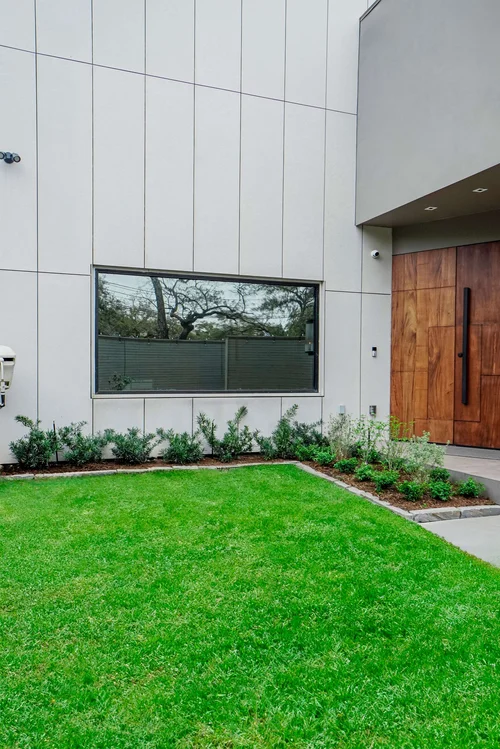
The Museum District sees steady new construction and infill townhome development — contemporary builds replacing older structures on lots that sit directly adjacent to century-old historic homes. New construction landscape in this neighborhood requires genuine design sensitivity: the property needs to hold its own as a contemporary space while reading as a considered addition to a streetscape of significant architectural heritage. We design new construction landscapes that are confident in their own aesthetic without ignoring the neighborhood they've joined.

In the Museum District, your landscape is visible to a culturally engaged community that includes architects, curators, academics, and design professionals — people who notice landscape quality as a matter of professional habit. A property that declines between maintenance visits reads immediately against a neighborhood whose public spaces are maintained to an institutional standard. Hogue provides contracted maintenance for Museum District homes: defined visit schedules, seasonal programs calibrated to Houston's climate, irrigation management, and a dedicated account contact who holds the property to the standard the neighborhood sets.

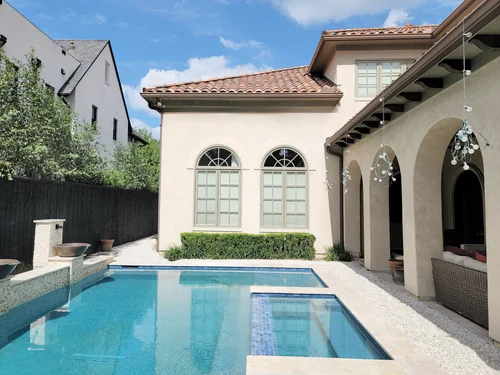
Hogue pool surround and patio design Museum District Houston — outdoor living installation
Estate garden, Inwood Drive — seasonal color program, parterre maintenance, specimen magnolia preservation.

Serving the Museum District and Surrounding Inner-Loop Neighborhoods

Hogue provides landscape design, installation, and maintenance throughout Houston’s Museum District (zip codes 77005 and 77006) and the surrounding corridor — including Shadyside, Broadacres, Museum Park, Riverside Terrace, Midtown, Montrose, and properties along the Brays Bayou greenway.

The Museum District’s central position — bordered by the Texas Medical Center to the south, Rice University to the west, Montrose to the north, and Main Street to the east — places it at the intersection of Houston’s most significant cultural, academic, and medical institutions. That location shapes who lives here and what they expect from their outdoor environment. Hogue designs and maintains landscapes for that audience.

Frequently Asked Questions: Landscaping in Houston's Museum District


Hogue Landscape Services provides landscape design, installation, and maintenance for residential properties throughout Houston’s Museum District (77005, 77006) — including Shadyside, Broadacres, Museum Park, and the surrounding residential areas adjacent to Hermann Park, Rice University, and the Texas Medical Center. Hogue brings licensed landscape architects experienced in the Museum District’s architectural range, Brays Bayou drainage considerations, and the design standard set by the neighborhood’s exceptional public landscape context.

Shadyside is a private, deed-restricted residential enclave adjacent to Hermann Park — one of Houston’s most architecturally distinguished historic neighborhoods, developed in the early 1900s with Tudor, Colonial Revival, and Spanish Eclectic estates that have maintained their character for over a century. Shadyside’s deed restrictions govern exterior modifications including architectural changes and street-facing landscape elements, and the neighborhood’s private street and gate structure requires coordination for construction access. Hogue is familiar with Shadyside’s deed restriction framework and coordinates compliance as a standard part of every project scope in the enclave.

Hermann Park’s master plan was completed in 1916 by George Kessler, a St. Louis landscape architect who was one of the leading figures of the City Beautiful movement and also planned the South Main Boulevard corridor adjacent to the park. After Kessler’s death in 1923, Hare & Hare took over as managing landscape architects — the same Kansas City firm that later designed the master landscape plan for River Oaks in the late 1920s. The park was revitalized in the 1990s under a new master plan by landscape architect Laurie Olin, whose firm also completed the Washington Monument grounds and Bryant Park in New York City.

Landscape design and installation for Museum District properties typically ranges from $15,000–$45,000 for focused front elevation, courtyard, or entry work on bungalow and townhome lots, to $80,000–$300,000+ for comprehensive programs on Shadyside estate properties covering full grounds, drainage, hardscape, outdoor living, and lighting. Contracted maintenance for Museum District homes typically ranges from $500–$1,500 per month depending on property size and program scope. Hogue provides detailed proposals following a site consultation at no obligation.

Portions of the Museum District and adjacent areas — particularly properties near Brays Bayou, which runs along the southern boundary of Hermann Park — carry meaningful flood risk. Hurricane Harvey in 2017 caused significant flooding in areas near the bayou corridor south of the Museum District. Museum District lots also tend toward smaller footprints than those in River Oaks or Memorial, limiting surface drainage correction options on constrained urban properties. Hogue evaluates FEMA floodplain designation and property elevation as a standard element of every Museum District site assessment, and engineers drainage accordingly before any installation work begins.

Tudor Revival architecture — common in Shadyside and Broadacres — suits landscape approaches that complement the style's steeply pitched rooflines, half-timbering, and emphasis on crafted detail. Appropriate landscape elements include formal clipped hedgerow, structured planting beds with seasonal color, stone or brick hardscape that reads as traditional rather than contemporary, and cottage-style planting compositions in front borders that feel period-appropriate. Highly minimalist, tropical, or overtly contemporary landscape design tends to conflict with Tudor architecture's inherent traditionalism. Hogue designs landscape responses specific to the architectural period and character of each home.

While Montrose and the Museum District share an inner-loop location and some architectural overlap, they differ significantly in character. Montrose is defined by its eclectic, bohemian identity, five historic districts, and mixed commercial-residential urban fabric. The Museum District is defined by its relationship to Hermann Park, the concentration of world-class museums and cultural institutions, Rice University, and the more formal, estate-scale residential character of Shadyside and Broadacres. Museum District homeowners tend to be drawn by the public landscape and cultural infrastructure as much as the architecture; Montrose homeowners are drawn by the neighborhood's distinct identity and urban energy. Both are exceptional inner-loop neighborhoods with very different personalities.

Yes. Hogue provides contracted landscape maintenance programs for Museum District residential properties — from Shadyside estates to townhomes in Museum Park and Broadacres. Maintenance programs include defined visit schedules, seasonal plant care, irrigation management, and a dedicated account contact who maintains the property to a standard appropriate for a neighborhood whose public outdoor spaces are maintained at an institutional level. The landscape holds its quality week after week, without the homeowner managing it.

get in touch

Elevate Your Landscape to Museum District Standards.

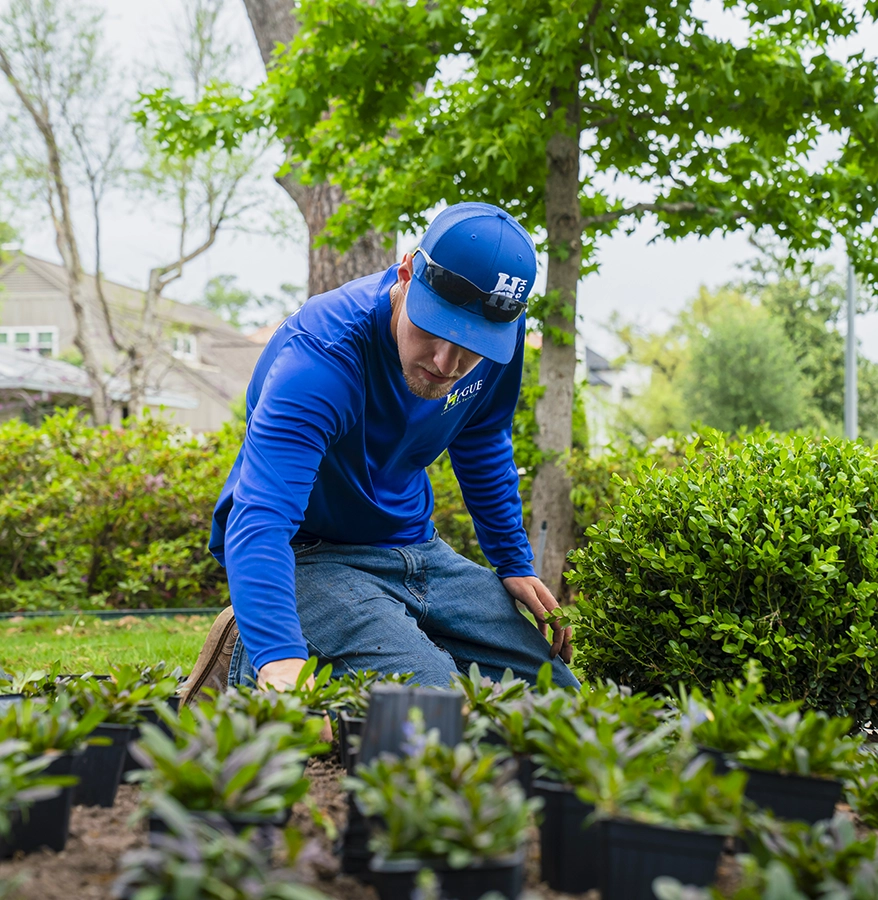
Hogue landscape maintenance The Woodlands TX 77381 — native understory and lawn care

Schedule a Museum District Consultation

Six million people visit Hermann Park every year. The McGovern Centennial Gardens, the Rice University campus, and the live oak allées of Main Street have been maintained to a standard of design quality that most Houston neighborhoods never approach. Living in the Museum District means your private outdoor space exists in that context every day.

Hogue designs, installs, and maintains residential landscapes in the Museum District that meet the neighborhood on its own terms, architecture-specific, drainage-engineered, and maintained with the consistency that a community defined by design excellence expects.

The first step is a site consultation, we walk the property, assess the conditions, and develop a clear picture of what’s possible. No obligation.

    Award & achievement

    Our Award-Winning Projects

    • 2026
      Residential Maintenance A Landscape Maintained to Perfection
    • 2026
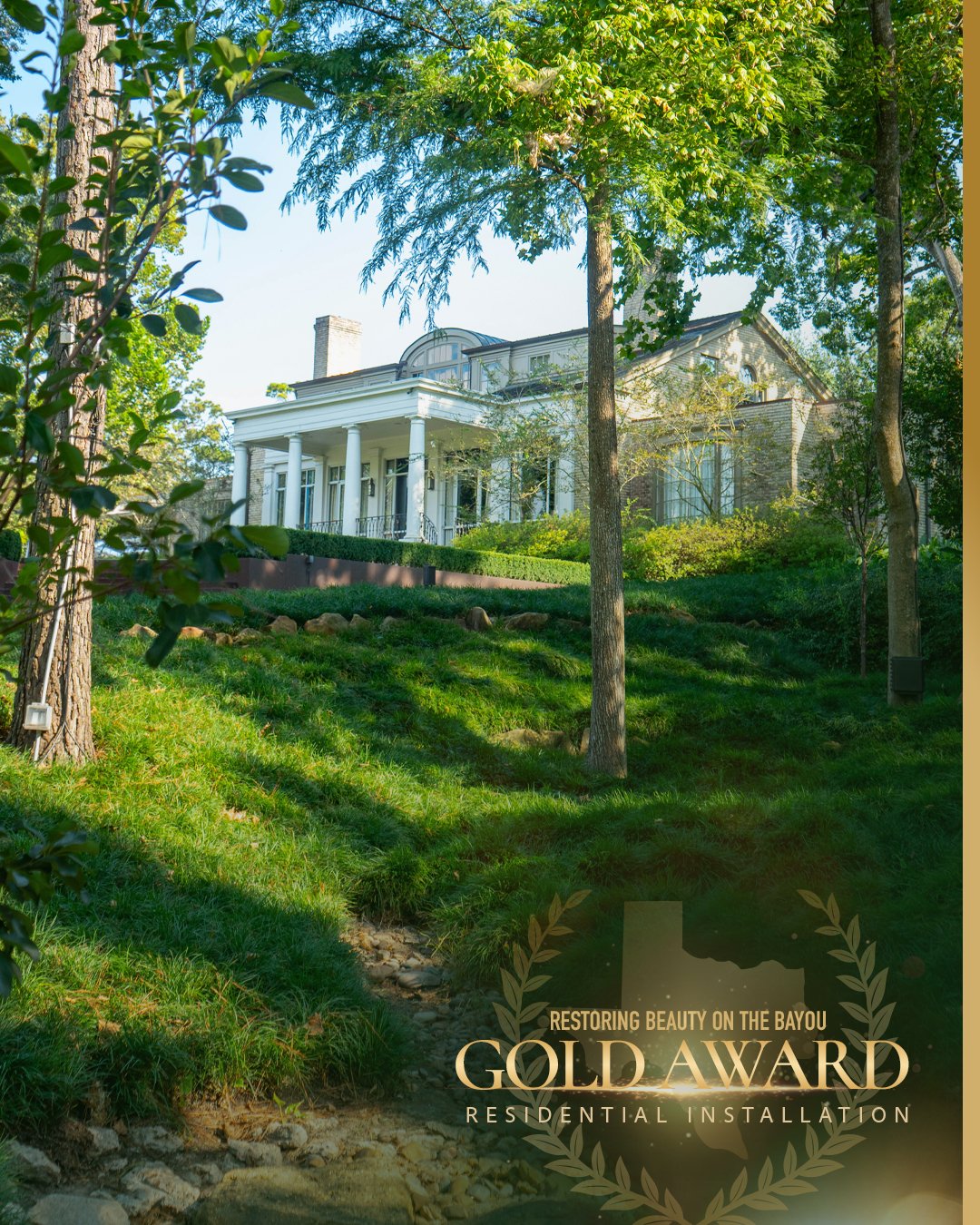
      Residential Installation Restoring Beauty on the Bayou
    • 2026
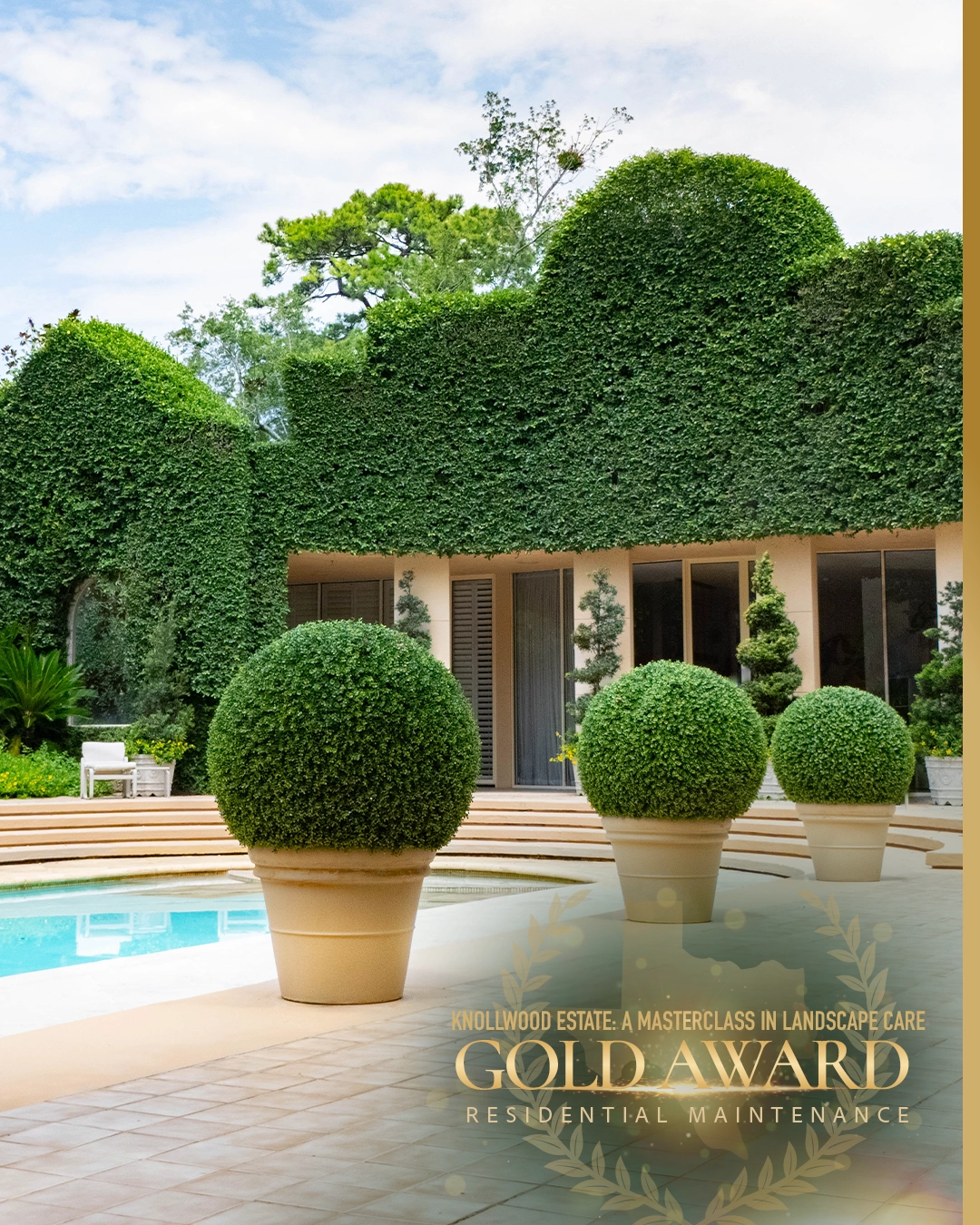
      Residential Maintenance A Knollwood Estate
    • 2026
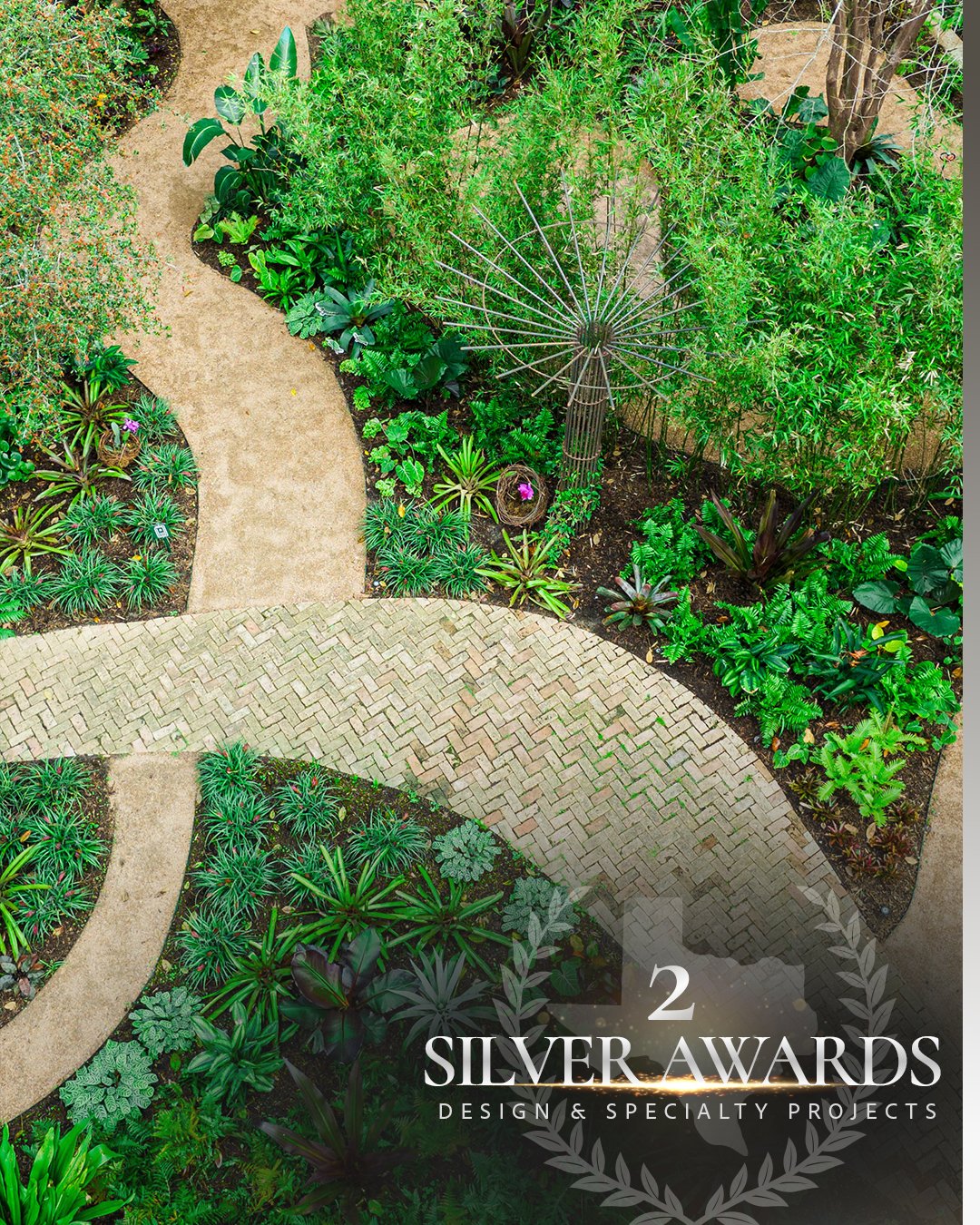
      Design & Special Projects Rienzi, Museum of Fine Arts
    • 2026
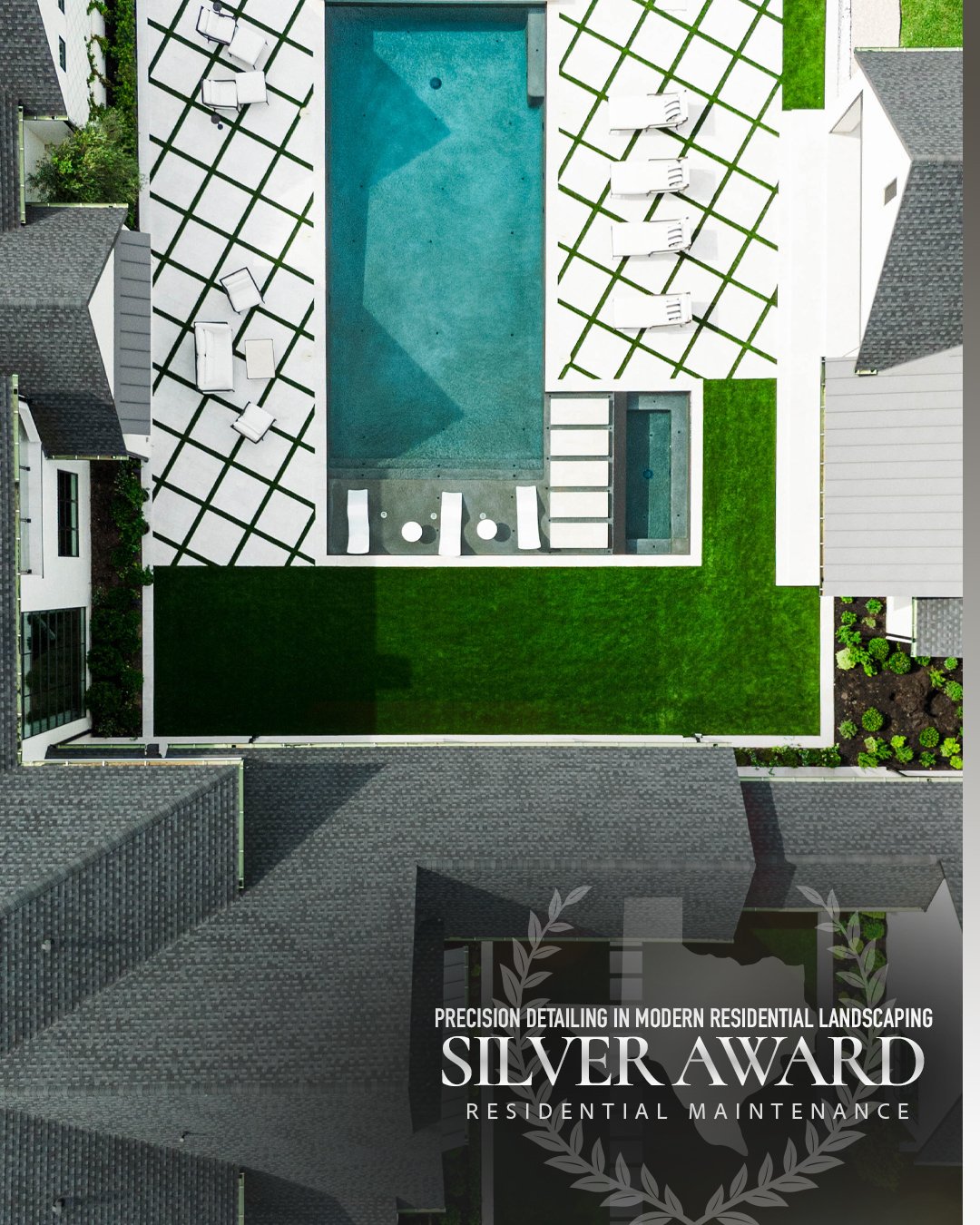
      Residential Maintenance Precision Detailing
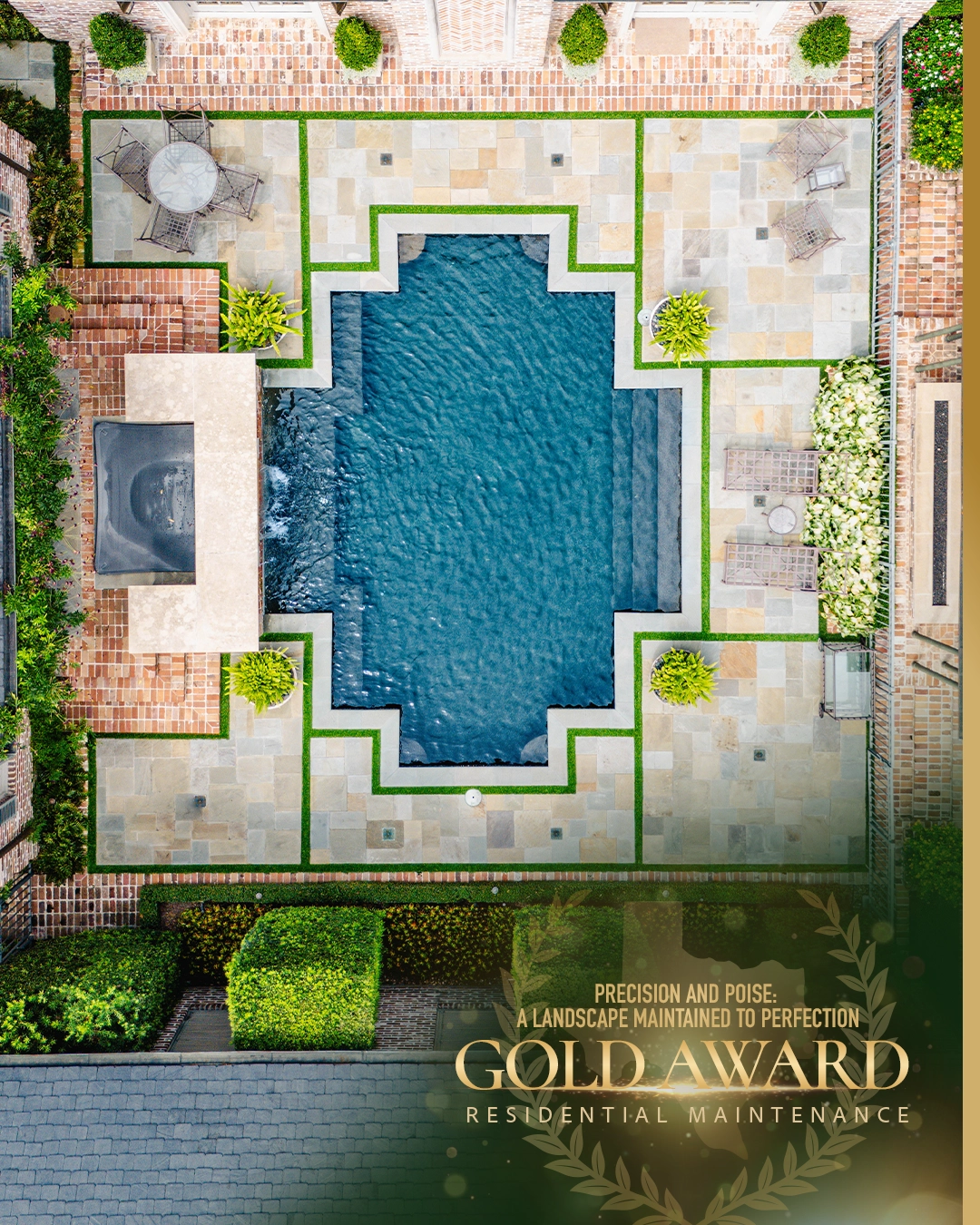
    • Residential Maintenance
    • Residential Installation
    • Residential Maintenance
    • Design & Special Projects
    • Residential Maintenance